As temperatures rise in California, dog owners and travelers must be vigilant about the dangers of heatstroke in dogs. Recognizing the signs, implementing preventive measures, and knowing what to do in an emergency can save your pet’s life.
What is heatstroke in dogs?
Heatstroke occurs when a dog’s body temperature rises to dangerous levels, often due to exposure to high temperatures and humidity. Unlike humans, dogs primarily cool down by panting, which can be inefficient in extreme heat. Understanding this vulnerability is crucial for preventing heat-related illnesses.

Early signs of heatstroke
Early signs of heatstroke in dogs include:
- Heavy panting and rapid breathing
- Lethargy and tiredness
- Restlessness or confusion
- Bright red or blue gums
Advanced symptoms
If untreated, heatstroke can progress to severe symptoms such as:
- Vomiting and diarrhea
- Unsteady movement and inability to stand
- Seizures, coma, and even death
Preventive measures
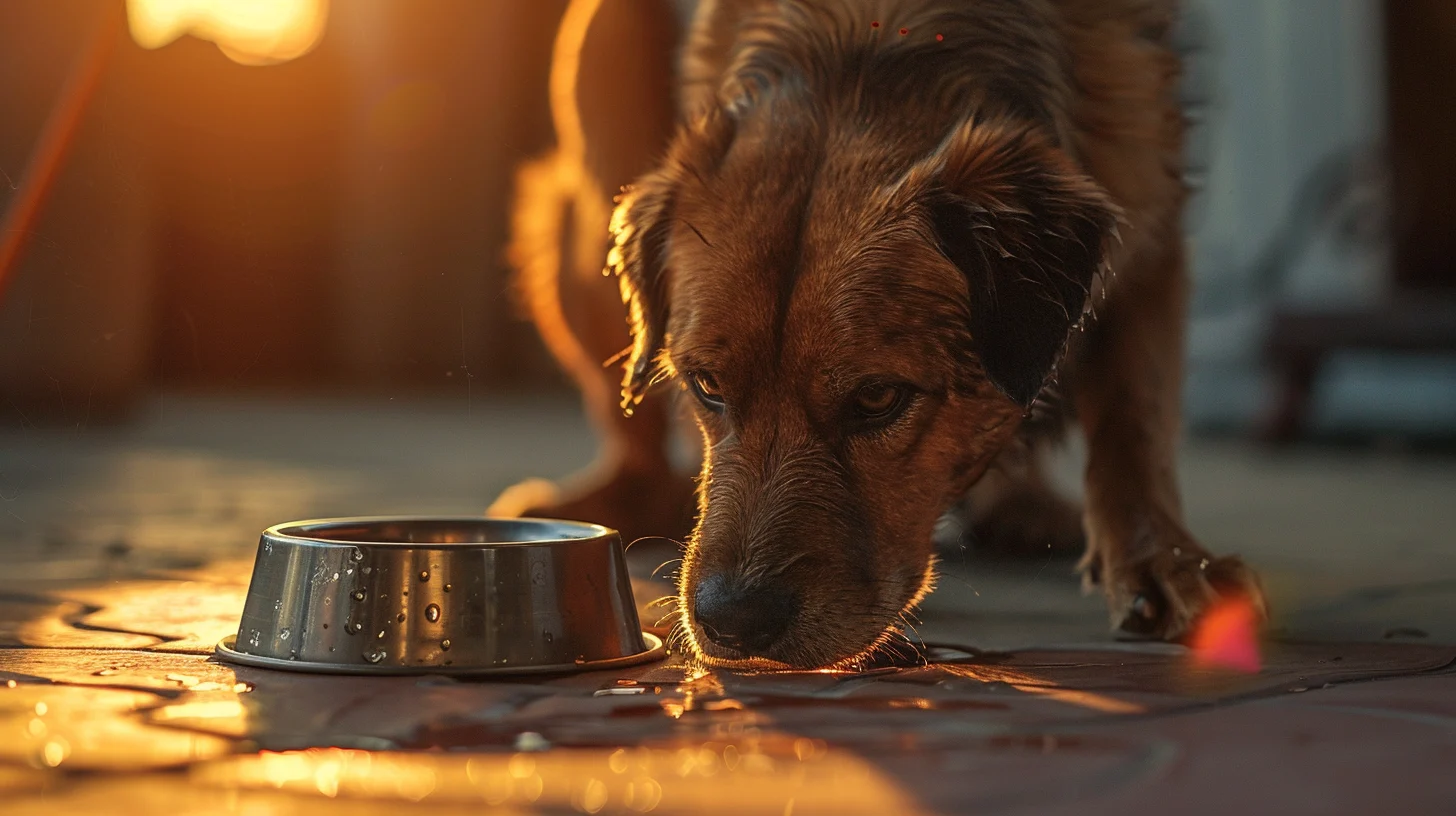
Provide shade and water: Always ensure your dog has access to shade and fresh water. Even on cooler days, dogs can overheat if they are in direct sunlight for too long.
Avoid hot surfaces: At 77°F, asphalt can reach 125°F, hot enough to burn paw pads within minutes. Test surfaces by placing the back of your hand on them for seven seconds; if it’s too hot for you, it’s too hot for your dog.
Adjust walk times: Walk your dog early in the morning or late in the evening when temperatures are cooler. Stick to shaded paths and grassy areas to prevent overheating and burned paw pads. If you’re hiking in hot regions like Greater Palm Springs, start before sunrise and review our desert hiking safety tips.
Cooling techniques: If you suspect your dog is overheating, move them to a cooler area immediately. Use lukewarm water to wet their fur and place them in front of a fan to promote evaporation. Avoid using ice-cold water as it can cause shock.
Immediate actions if heatstroke is suspected
If your dog shows signs of heatstroke, act quickly:
- Move them to a cool, shaded area or an air-conditioned room.
- Wet their fur with lukewarm water and use a fan to help with evaporation.
- Offer small amounts of cool water to drink.
- Seek veterinary care immediately, as professional treatment may be necessary to fully recover. Find a nearby veterinarian or emergency vet in our directory.
Breed-specific risks
Certain breeds are more susceptible to heatstroke. Brachycephalic breeds like pugs and bulldogs, due to their short nasal passages, have a harder time cooling down through panting. Overweight, older dogs, and those with underlying health conditions also have a higher risk.
Interesting facts about dogs and heat
Dogs only sweat through their paws: Unlike humans, dogs have sweat glands only in their paw pads, making them less efficient at cooling down.
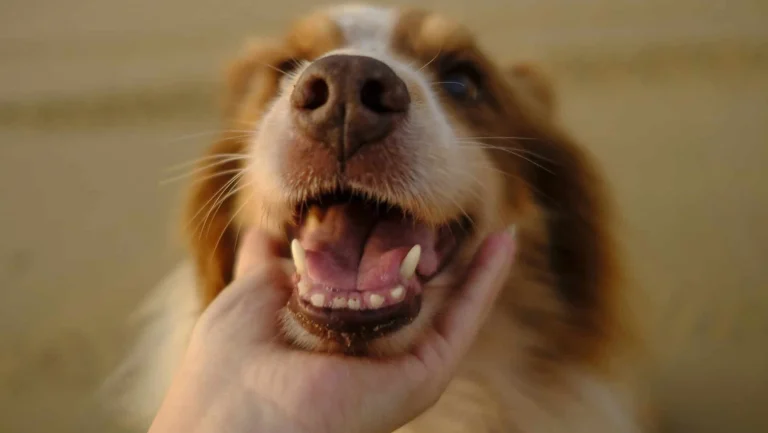
Unique cooling mechanism: Dogs primarily cool off by panting, which helps evaporate moisture from their tongues and upper respiratory tracts.
Optimal temperature for dogs: Dogs can start to overheat at temperatures as low as 70°F. When the outside temperature reaches 77°F, asphalt can be as hot as 125°F, which can burn a dog’s paw pads within minutes.
By educating yourself on the signs of heatstroke and taking proactive measures, you can help ensure your dog stays safe and healthy throughout the summer. For more tips on traveling safely with your pup in warm weather, read our guide to visiting the desert with your dog.